

Retirement nutrition: do I need to eat less when I stop work?
The straight answer, up front
If you want the short version:
Yes, your energy needs fall — usually by somewhere between 400 and 1,200 kilojoules a day, and more if you were physically active at work or you drop your activity once you retire.
But your protein needs go up, not down. Older adults need more protein per kilogram of body weight than young adults, not less.
And your needs for calcium, vitamin D, vitamin B12 and fibre all stay the same or increase, at exactly the moment your appetite tends to shrink.
So the phrase to hold onto is this: eat less food, but better food. Same volume on the plate, more nutrients per mouthful. That's the whole strategy in one sentence.
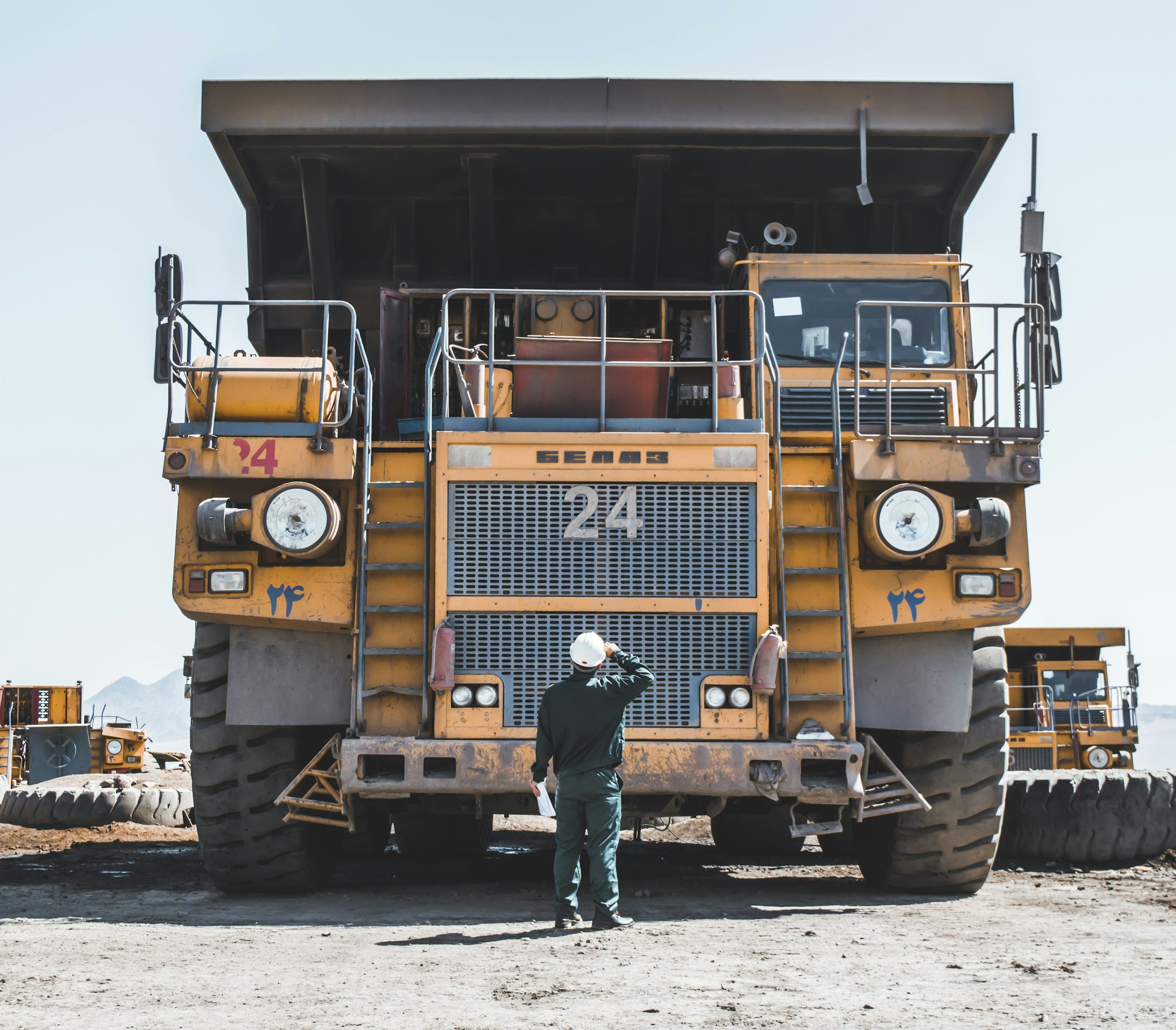
FIFO nutrition: how to eat well on a 2:1 roster — and why it changes how you perform
Seven rules that work in a camp dining room
Walk the whole room before you pick up a plate. Thirty seconds. See what's actually good. Otherwise you fill up on the first thing you see and then go back for the thing you actually wanted.
Use the smaller plate if there are two sizes. This is the single highest-yield change in any buffet, and it costs nothing.
Protein and vegetables fill the plate first. Two-thirds of the plate. Then, if you still want it, the starch. Not the other way around.
Take one plate. Sit down. Wait ten minutes before deciding on seconds. You will almost never want them. The urge to go back is fastest in the first five minutes and it fades.
Dessert is a decision, not a default. Decide before you walk in whether tonight is a dessert night — not every night, not never. A rule you set in advance beats a decision you make while standing in front of a chocolate fountain.
Don't eat in your room. The room is for sleeping. Eating there is how a bag of shapes becomes a nightly ritual you didn't consciously choose.
Fill your water bottle before you go to the dining hall, not after. Hydration first, then food

Pumpkin seed oil: what the evidence actually supports — and what it doesn't

Fibremaxxing - Trend is right but maths is wrong.

Omega-3s That Actually Work: Why Bioavailability Matters

Sleep Timing and Metabolism: Dawn Methylation Effects – A Chrononutrition Guide for Real-Life Energy and Fat Burning

The Real Impact of Food Processing on Inflammation: Why Ultra-Processed Foods May Be Driving Your Health Costs

Probiotics for Mood: The Evidence Behind Strain-Specific Effects and How to Use Them

Training for Performance: Sustaining Energy and Safety with Nutrition

Redesigning Rewards for Real Energy: How Healthy Snacks Can Transform Workplace Culture

Fuelling Your Workday the Healthy Way: Special Focus on Shift Workers

Rethinking Birthday Cakes in the Workplace: Nutrition for Resilience and Growth

The New Gut Microbiome Signature Shaping Diet Outcomes: What It Means for Your Health

The Power of Saying “NO”: Why Protecting Your Energy is Key to Thriving Health

What’s Hiding in Your Home? Everyday Items That Could Be Harming Your Health

The Truth About Sugar Cravings: Why They Aren’t About Willpower

From Burnout to Balance: How Emma Transformed Her Health by Addressing the Root Causes

Bloating Isn’t Normal: Why Your Gut is Trying to Tell You Something

The Ultimate Guide to Energising Your Mornings: 3 Protein-Packed Breakfasts You Must Try
